
When an individual loses a tooth as a result of an illness or injury. They may have uncomfortable changes in their chewing habits, abrupt bone loss, or impaired speech. A fixture greatly enhances a patient’s health and quality of life by replacing an extracted tooth.
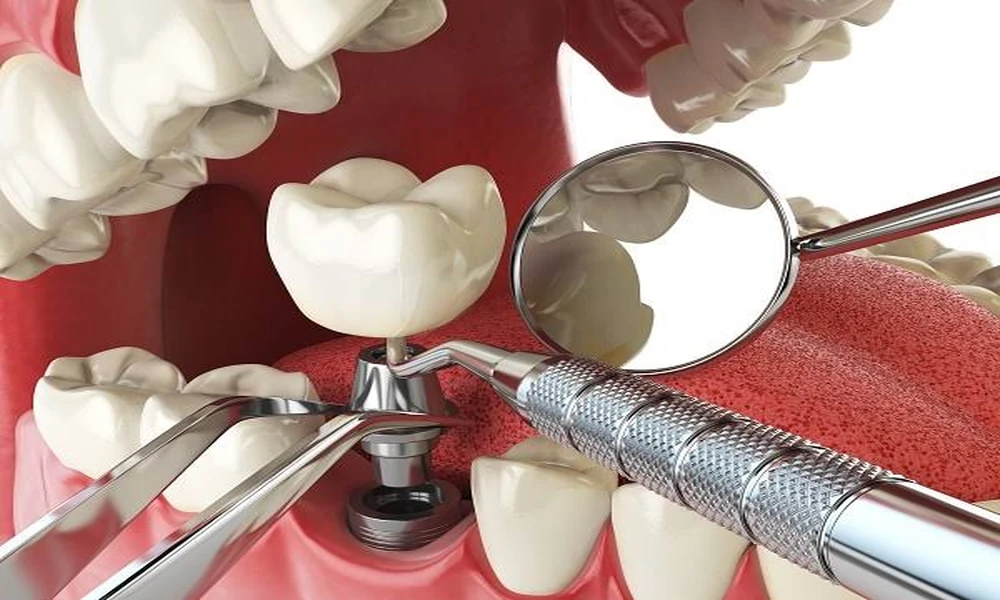
A dental implant, an abutment, and possibly a fixation screw makes up this system. The root of the tooth is surgically replaced with the body in your jawbone. This is to support the accompanying artificial teeth.
With the help of Lake Park Dental in Milwaukee experts. The support extends through your gums into the mouth. It’s typically fastened to the endosteal body using an abutment fixation screw.
These are intended to be a permanent fix for absent teeth. Yet they still need appropriate care and periodic upkeep. If you observe abnormal symptoms, please do not disregard them.
Indicators That You Might Require A Repair or Replacement
- Chronic Pain or Discomfort
Although slight discomfort is typical following a procedure. Persistent or abrupt pain after months or years may suggest an issue. Potential reasons encompass:
- Infection (peri-implantitis)
- Loss of bone surrounding the subperiosteal post
- A subperiosteal post that is loose or broken
If you feel discomfort around your endosteal, make a dental appointment right away.
- Unstable or Shaky Implant
A correctly positioned endosteal ought to feel identical to a natural tooth-secure and steady. A loose feeling in your fixture could be caused by:
- Bone deterioration reducing the endosteal’s stability.
- Broken abutment – component linking the crown to your subperiosteal post.
- A problem with the post itself.
Disregarding this may result in additional issues, so obtain dental treatment promptly.
- Gum Inflammation or Recession
Healthy gums are crucial for the success of implants. If you observe:
- Receding gums revealing additional portions of your subperiosteal post.
- Inflamed, discolored, or bleeding tissue near the implantation location.
It may indicate peri-implantitis. It is an infection that, if left untreated, can fail. Routine cleanings and prompt action can aid in avoiding significant harm.
Check out https://www.dailytargum.com/article/u-researchers-publish-study-showing-why-antibiotics-are-ineffective-dental-implant-disease-20260601 for more info.
- Difficulty Biting or Chewing
If your fixture unexpectedly becomes uncomfortable while biting or chewing. It could be damaged or misaligned.
An incorrect bite can exert additional pressure on the fixture, causing loosening or fractures as time passes. A dentist will modify or fix this to regain comfort.
- Apparent Harm to the Crown or Fixture
The visible section can deteriorate, crack, or fracture. It can be due to excessive pressure from biting hard foods, grinding, or normal use.
If the crown appears to be damaged. Then, a dentist can swap it out without having to take out the subperiosteal post.
- Unusual Bad Breath or Taste
A lasting unpleasant taste or foul breath near your subperiosteal post. This might indicate an infection or bacteria that are trapped.
Even if there are no apparent problems. It’s crucial to have it examined before the situation escalates.
Which Option is the Most Favorable?
- Minor Problems – Repair: If the issue involves the crown, slight gum irritation, or an abutment. A dentist can usually fix the fixture without needing to replace the complete setup.
- Critical Problems – Substitution: If the post is unstable, infected, or has led to major bone loss. Then, it might require total extraction and replacement. Bone grafting might also be required before the insertion of a new metal anchor.
Avoiding Dental Implant Problems
- Keep outstanding oral hygiene. You should brush two times a day and floss every day.
- Make routine visits to your dentist for examinations and cleanings.
- Steer clear of tough foods and behaviors such as biting nails or gnawing on ice.
- Use a nightguard whenever you clench your teeth.
When to Request an Expert
Certain issues require immediate attention, while others can be postponed briefly. If you’re uncertain, contact your dentist.
- Urgent Situation: Intense discomfort, significant bleeding, and high temperature. Swelling that impacts respiration, or the implant shifting beyond a slightly loose crown.
- Immediate attention: Abutment, ongoing gum irritation, continuous bad taste/odor, or a fractured crown.
Timely intervention typically maintains both the fixture and the bone. Delaying treatment can result in infection. This may lead to more intricate surgeries.
What to Anticipate During a Clinic Appointment
- Assessment
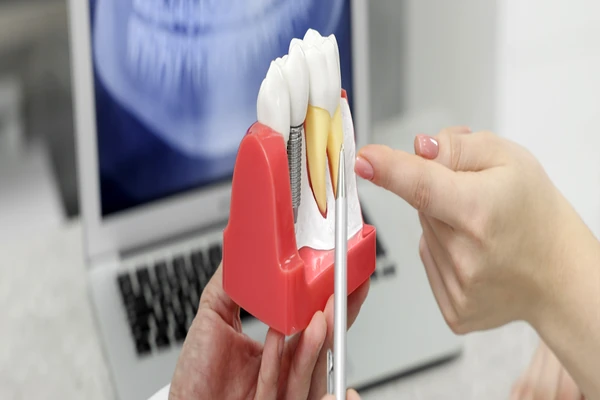
A specialist will check the site. He will perform a CBCT scan or X-rays to assess the fixture, bone, and abutment. They will identify where the issue lies.
- Therapeutic Alternatives
- Adjusting or repositioning the abutment
- Addressing/managing infection
- Re-cementing/substituting the crown
- Performing surgical repair or replacement as necessary
- Restoration and Monitoring
Recovery hinges on the process. Basic re-cementing might require no downtime.
Surgical fixes can take several days or even weeks. Follow-up visits confirm recovery and assess gum health.
Go to this site for further reading.
Locating the Suitable Dentist in Milwaukee
Search for dentists who have experience with implants and training in such systems. Also, expertise in digital imaging, such as CBCT or X-ray. Inquire about the number of repairs they manage.
Select a reliable clinic that provides accurate diagnostics. As well as a strategy to address the issue and avoid its return. An experienced, prompt method offers the highest likelihood of regaining comfort.
