
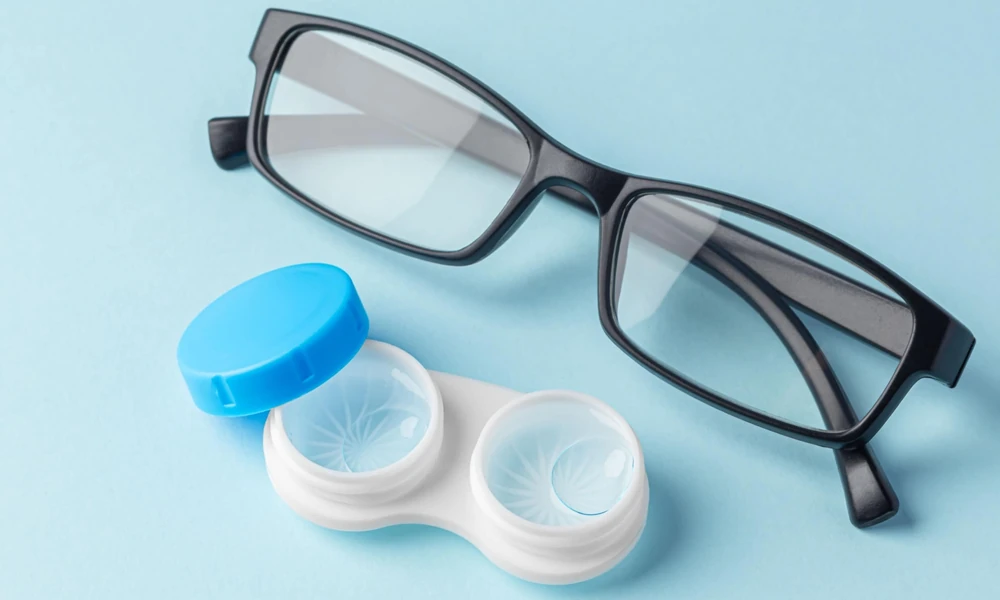
Vision correction choices have expanded significantly beyond the binary of glasses versus contact lenses, with 1.5 reading glasses, multifocal contact lenses, and various contact lens replacement schedules offering options that can be tailored to the specific demands of different lifestyles and vision needs. Understanding the distinctions between monthly disposable contact lenses and other lens schedules, and how reading glass strength selection works, helps individuals make choices that genuinely suit how they live and work rather than defaulting to whatever option they happen to have used previously.
Understanding Reading Glass Strength
1.5 reading glasses represent a mild to moderate reading correction that is typically appropriate for:
- Adults in their early to mid 40s experiencing the early stages of presbyopia, where near vision becomes gradually less clear for close work and reading
- Individuals who have never required distance correction and are experiencing near vision changes only
- Users who find that their existing reading glasses are too weak and want to step up from 1.25 to a slightly stronger correction
Reading glass strength is measured in diopters, with common over-the-counter strengths running from 1.00 through to 3.50 in 0.25 increments. Self-selecting reading glass strength from an over-the-counter range works adequately for many people with symmetric, simple presbyopic changes, but a professional refraction is advisable if there is significant difference between the two eyes or if distance vision is also affected.
Monthly Disposable Contact Lenses: What the Schedule Means
Buy monthly disposable contact lenses refers to contact lenses designed to be worn for up to one month before replacement with a fresh pair. The monthly replacement schedule represents a middle ground between daily disposable lenses, which are replaced every day, and extended wear or reusable lenses with longer replacement cycles.
Monthly lenses accumulate protein and lipid deposits from tear film and environmental exposure over their wearing period. Proper cleaning and storage with an appropriate multipurpose solution is essential for monthly lenses, as the deposit buildup that occurs without proper maintenance increases the risk of eye irritation and contact lens-associated complications.
Monthly lenses are available in a wide range of prescriptions and in both sphere-only and toric (astigmatism-correcting) designs, making them suitable for the majority of contact lens wearers.
Why Proper Lens Care Matters
Unlike daily disposable lenses, monthly lenses are reused for an entire month. During this period, proteins, lipids, dust particles, cosmetics, and other environmental contaminants gradually accumulate on the lens surface. Without proper cleaning, these deposits can reduce comfort, blur vision, and increase the risk of eye irritation or infection.
Cleaning your monthly contact lenses every day is essential for maintaining eye health. Washing your hands before handling your lenses, using fresh disinfecting solution, rubbing the lenses gently during cleaning, and replacing the storage solution daily all help keep lenses clean and comfortable. It is equally important to replace the contact lens case every few months and never use tap water to rinse or store lenses.
Good hygiene habits significantly reduce the likelihood of contact lens-related complications and help ensure comfortable wear throughout the month.
Comparing Daily and Monthly Contact Lens Schedules
The choice between monthly contact lenses and daily disposables involves trade-offs that depend on wearing frequency and lifestyle:
- Daily lenses offer the best hygiene profile as each pair is discarded after a single use, eliminating deposit accumulation entirely. They are more convenient for occasional or part-time wearers and ideal for those prone to lens-related discomfort
- Monthly lenses offer lower per-day cost for consistent daily wearers and require carrying fewer lenses for travel. They require a consistent cleaning and storage routine to maintain safety
Buying Contact Lenses and Reading Glasses Online in India
The availability of vision correction products through online channels has made purchasing significantly more convenient, but a current, valid prescription is essential for purchasing contact lenses. Prescriptions for contact lenses specify more parameters than glasses prescriptions, including the base curve and diameter that ensure the lens fits the eye correctly. Using a glasses prescription to order contact lenses can result in poorly fitting lenses that may be uncomfortable or cause problems.
Can You Use Reading Glasses and Contact Lenses Together?
Yes, many people successfully combine reading glasses with contact lenses to achieve comfortable vision throughout the day.
Individuals who wear single-vision contact lenses for distance correction may notice that reading becomes more difficult as presbyopia develops. Instead of changing to multifocal contact lenses immediately, many choose to continue wearing their distance contact lenses while using 1.5 reading glasses whenever they need to read books, newspapers, menus, or smartphone screens.
This combination offers flexibility, especially for people who spend only part of their day doing close-up work. It also allows users to remove the reading glasses whenever they need clear distance vision.
Your optometrist can recommend whether reading glasses used alongside contact lenses or multifocal contact lenses would better suit your lifestyle and visual needs.
Conclusion
Whether choosing 1.5 reading glasses for close-range vision support or selecting monthly disposable contact lenses for full-time vision correction, the best outcome comes from matching the product specification to the individual’s actual visual requirements, confirmed by an up-to-date professional eye examination. Online purchasing of both product types offers genuine convenience and competitive pricing, but the prescription and product specification should always be based on professional assessment rather than self-diagnosis.
————————————————————————————————————–
