
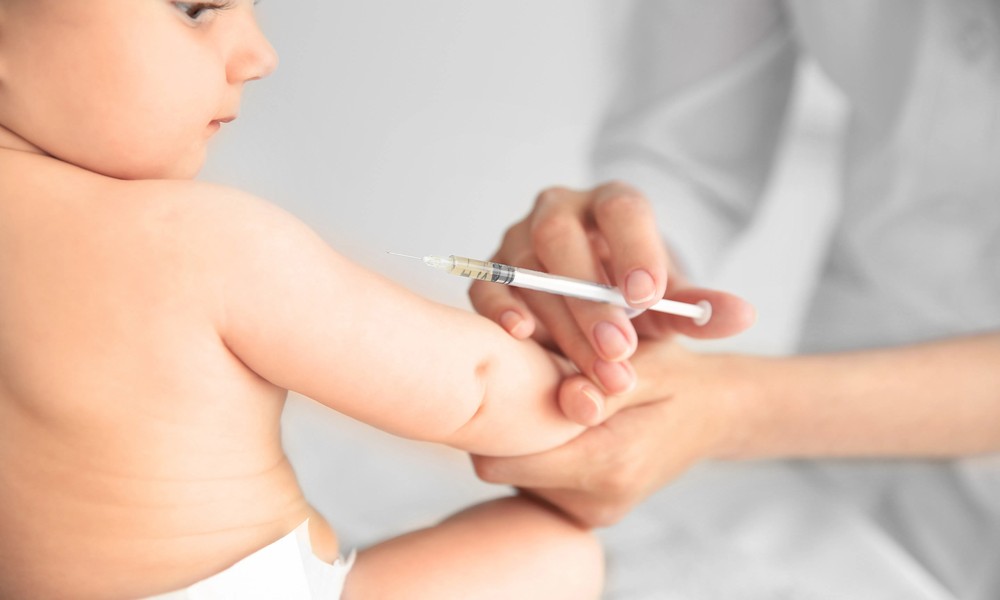
Protecting your newborn from serious diseases starts in the earliest weeks of life. Baby vaccination provides essential defence against illnesses that can cause severe complications or death in young infants. Understanding which jabs your child needs and why they matter helps you make informed decisions about their health.
Why Early Vaccines Matter
Newborns have immature immune systems that can’t fight off dangerous infections. Vaccines train their bodies to recognise and combat specific diseases before exposure occurs. The first six months represent a critical window when babies face the highest risk from certain illnesses.
Some diseases spread rapidly in communities. When most children receive their jabs, they create a protective barrier that shields vulnerable infants too young for certain vaccines. This community protection becomes especially important for babies with health conditions that prevent vaccination.
Essential Jabs in the First Half Year
Your baby will receive several vaccines during their first six months. The schedule typically begins at two months, with follow-up doses at three and four months. These jabs protect against multiple diseases at once.
Two Month Visit
At eight weeks, your infant receives protection against diphtheria, tetanus, whooping cough, polio, and Haemophilus influenzae type b. They also get vaccinated against pneumococcal disease and rotavirus. These diseases can cause breathing problems, brain damage, or severe dehydration in young babies.
Three and Four Month Appointments
Follow-up doses strengthen your baby’s immune response. These booster jabs help create lasting protection that carries through childhood. Missing these appointments can leave gaps in immunity when your child needs it most.
Common Concerns Parents Face
Many new parents worry about vaccine safety. Research involving millions of children shows that baby vaccination is safe and effective. Side effects are usually mild and temporary.
Your infant might experience slight fever or fussiness after their jabs. The injection site may appear red or swollen. These reactions show the immune system is working. Serious side effects are extremely rare.
Some parents question whether giving multiple vaccines at once overwhelms tiny bodies. Scientists have confirmed that babies can handle several vaccines during one visit. Their immune systems encounter countless germs every day. Vaccine antigens represent a tiny fraction of what they naturally process.
Diseases These Vaccines Prevent
Whooping cough causes violent coughing fits that make breathing difficult. In babies, it can lead to pneumonia, seizures, or brain damage. Before vaccines, thousands of children died from this illness each year.
Meningitis from Haemophilus influenzae type b attacks the brain’s protective covering. It can kill within hours or cause permanent disabilities. Pneumococcal bacteria cause meningitis, blood infections, and pneumonia in young children.
Rotavirus leads to severe diarrhoea and vomiting. Babies can become dangerously dehydrated, requiring hospital treatment. Polio paralyses children and can affect breathing muscles. Diphtheria creates a thick coating in the throat that blocks airways.
Making Vaccination Work for Your Family
Keep your baby’s health record updated with each visit. This red book tracks which jabs your child has received and when boosters are due. Bring it to every appointment.
If your infant seems unwell on vaccination day, speak with your nurse or doctor. Mild colds don’t usually prevent jabs, but high fevers might delay them. Rescheduling one appointment won’t ruin the whole schedule.
Set reminders for upcoming visits. Life with a newborn gets hectic, and it’s easy to forget dates. Many surgeries send text reminders, but having your own system helps too.
The Bigger Picture
Baby vaccination protects individual children and strengthens public health. When immunisation rates drop, diseases resurface. Recent outbreaks of measles in areas with low vaccine coverage prove this point.
Your decision to vaccinate helps protect babies too young for their own jabs. It shields children undergoing cancer treatment who can’t receive live vaccines. It safeguards elderly relatives with weakened immune systems.
The first six months of your baby’s life bring joy, challenges, and important health decisions. Following the recommended vaccination schedule gives your child the protection they need during their most vulnerable period. These jabs represent one of the most effective ways to keep your infant healthy and thriving.
